






How to Save Money with a New Baby (Without Depriving Yourself Too Much)
How to Save Money from Baby’s Arrival

Having a baby is a huge joy… but also a source of significant expenses. Between diapers, the stroller, formula, and all the necessary gear, the budget can quickly add up. Fortunately, there are simple strategies to save right from the start without compromising comfort or your peace of mind.
In this article, we give you concrete, realistic, and effective tips to plan your budget, reduce your expenses, and start parenthood on the right foot.

Why Planning Your Baby Budget Is Important
From the first months, some expenses come up regularly: diapers, food, clothes… A baby uses hundreds, even thousands of disposable diapers before being potty trained, which can quickly represent a significant amount in the first year.
The good news? There are smart ways to optimize this budget without sacrificing quality or comfort.
1. Choose Cloth Diapers to Cut Costs
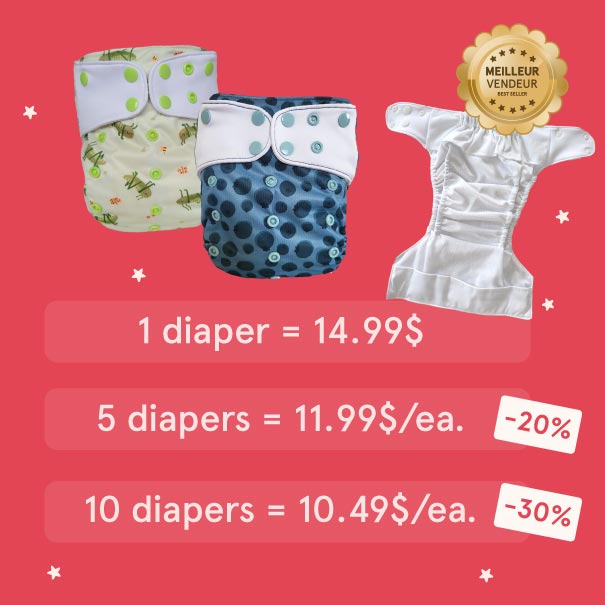
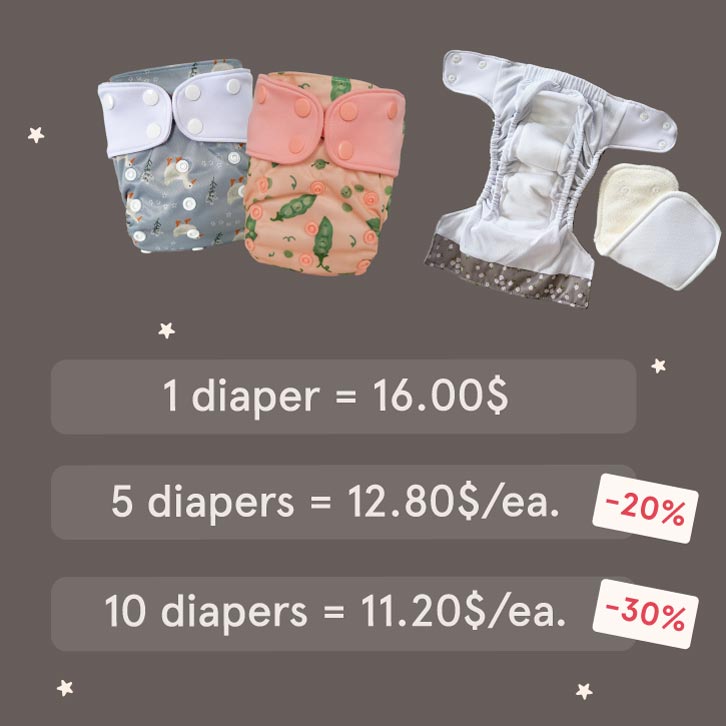
Diapers are one of the most expensive items for new parents. Cloth diapers, although requiring an initial investment, can save you hundreds to thousands of dollars:
- Cloth diaper purchase: approx. $400 for a complete set
- Potential savings: several hundred to thousands of dollars compared to disposables
- Besides the savings, you significantly reduce waste, a major ecological benefit. In Quebec, hundreds of millions of disposable diapers are buried in landfills every year.
Tip: start with a small batch of cloth diapers and gradually add more as you get comfortable and settle into your routine.
Quebec Bonus: some cities, like Montreal, offer subsidies for purchasing or renting cloth diapers. More info here:
2. Buy Secondhand (and Choose Wisely)
Buying used items is an effective way to reduce expenses. Babies grow fast, so many items are almost new and available at a fraction of the price.
Items recommended for secondhand purchase:
- Baby clothes: often barely worn, perfect secondhand
- Bedroom furniture: dressers, durable changing tables
- Non-safety-related accessories: play mats, toys, bags, books
Items to buy new or with caution:
For safety-related items (car seats, mattresses), it’s better to buy new or verify the full history.
3. Make a Strategic Baby Registry
A baby registry helps save by guiding friends and family toward essential items: stroller, car seat, cloth diapers, etc.
💡 Advice: favor versatile or adaptable items (stroller compatible with different seats, convertible crib).
4. Prioritize Thoughtful Purchases
Avoid unnecessary items and focus on essentials:
- Crib, stroller, car seat, basic clothing
- Avoid buying too many clothes in the same size
- Postpone buying non-essential gadgets (bottle warmers, specialized devices)
5. Network with Other Parents
Local or online parent groups are a goldmine for saving:
- Exchanging or donating items (clothes, toys, accessories)
- Low-price sales or swaps between parents
- Baby item lending shops or community collections
The more you connect, the more economic opportunities you’ll discover around you.
6. Consider Food and Other Expenses
Anticipating costs for food, childcare, or care helps avoid surprises.
💡 Example: breastfeeding, if possible, can reduce feeding costs. Otherwise, taking advantage of samples or bulk packs can make a difference.
In Summary
Planning and making thoughtful choices allow you to save without sacrificing comfort or safety: cloth diapers, secondhand purchases, strategic baby registry… Every little action counts for your overall budget.
Questions? Write to us: info@lapetiteourse.ca


